Top 10 Mountain Biking Tips
Here’s a list of 10 tips every mountain biker should be aware of for better control and balance:
1. Look Where You Want to Go
The first rule most beginners ignore: your bike goes where your eyes go.
If you stare at the big rock in front of you, your front tire will aim straight for it. Keep your eyes a few meters ahead, through the turn, down the line you actually want to ride.
Your hands and body naturally follow your sight line. It feels weird at first but it’s the key to smoother handling.
2. Stay Loose As Your Bike Needs to Move
A stiff rider is a slow rider. When your arms and legs lock up, your bike can’t absorb bumps, and every rock feels like a punch.
Stay relaxed. Keep a soft bend in your knees and elbows. Let the bike dance underneath you.
The more the bike moves, the more control you actually gain. You’re the suspension, act like it.
3. Build Stronger Hands and Forearms
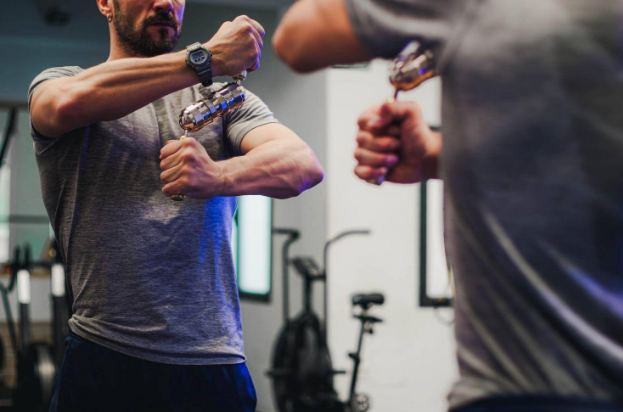
Control starts with your grip. When your hands get tired halfway through a ride, you start braking too much or oversteering. That’s when crashes happen.
Spend a few minutes each day doing simple grip and wrist strength exercises. Tools like a friction-based grip trainer can help improve your wrist control and endurance, especially useful for rough terrain and long descents.
4. Brake Smart, Not Hard
Good braking is about control, not panic. Use both brakes, but bias more pressure toward the front. That’s where most of your stopping power comes from.
Squeeze, don’t grab. Feather the brakes before you enter a turn, not in the middle of it. This helps your tires keep traction and stops the back wheel from sliding out.
5. Keep Your Weight Centered
Where your weight sits on the bike changes everything.
On climbs, move slightly forward so your front wheel doesn’t lift. On descents, shift your hips back and drop your heels as this keeps your balance centered and your tires planted.
Think of your body as a moving counterweight that keeps the bike stable through changes in slope and speed.
6. Use Your Knees and Elbows as Shock Absorbers
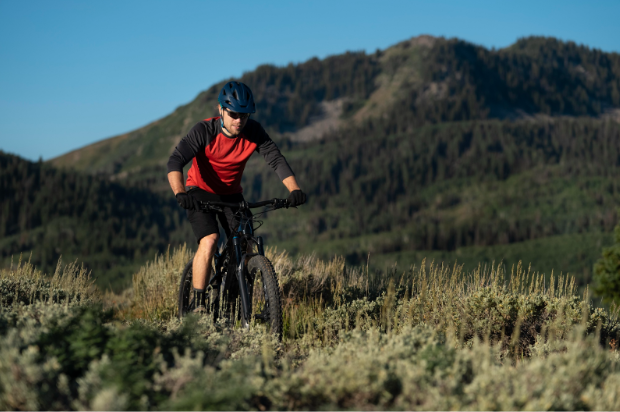
Your suspension isn’t the only thing that absorbs impact. Your body plays a big role.
Bend your knees and elbows when rolling through rough sections. Let them flex naturally instead of fighting every bump.
This simple adjustment keeps your wheels glued to the trail and saves your arms from burning out halfway down.
7. Master Cornering
Cornering is where control and balance meet.
Start wide, lean your bike, not your whole body, and look through the turn. Push your outside pedal down and put weight on it. This gives you grip.
Avoid sudden steering. Smooth inputs give smooth exits. Once you get this right, your turns feel like carving on snow.
8. Learn to Read the Trail
Every trail tells a story, you just have to learn to read it.
Watch the surface texture. Lighter dirt usually means loose soil. Dark patches might be mud or roots. Rocks with shine mean they’re slick.
Train yourself to scan ahead and spot grip changes early. Anticipating instead of reacting is the difference between sliding out and staying upright.
9. Practice Balance Every Day
Balance isn’t just for pros. It’s a skill that can be trained anywhere (your driveway, the park, even your living room).
Try track stands: stop the bike and balance without putting your foot down. It builds control and helps your body stay centered over the frame.
You can also practice standing pedals, slow-speed turns, or bunny hops, like all the small drills that make a massive difference on the trail.
10. Ride More, Worry Less
No list of tips can replace time in the saddle. The more you ride, the more your instincts sharpen.
Ride different terrain (loose gravel, forest trails, hardpack), because each of the terrains will be a new outdoor adventure. Each teaches you something new about traction, braking, and balance.
Don’t stress about being perfect. Every rider hits the dirt sometimes. Each fall teaches you something your comfort zone never could.